

Pre/Post Surgical Care for Cataracts in Myrtle Beach SC
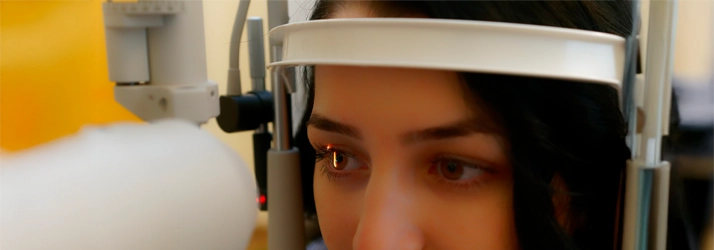
Cataract surgery is one of the most commonly performed procedures in medicine, with a strong track record of restoring clear vision. But the surgery itself is only part of the process. What happens before and after matters just as much for achieving a good outcome. At Mills Vision Care, we provide thorough pre- and post-surgical cataract care so patients feel informed at every step and supported through a smooth recovery.
How Cataracts Develop and What They Do to Your Vision
The natural lens of the eye sits just behind the pupil and is normally clear. Its job is to focus incoming light onto the retina so you see sharp, well-defined images. Cataracts form when proteins inside the lens begin to break down and clump together, gradually making the lens cloudy. As the cloudiness spreads, less light reaches the retina and vision becomes increasingly blurred, dull, or hazy.
The most common cause is aging. After age 60, the risk of cataracts rises steadily, and by age 80, most people have some degree of lens clouding. Other factors that can accelerate cataract development include diabetes, prolonged UV exposure, smoking, long-term corticosteroid use, and previous eye injuries.
Early cataracts often cause mild symptoms that are easy to dismiss. Over time, the signs become harder to ignore: difficulty reading in low light, increased glare from headlights while driving at night, faded or yellowed colors, and the need for frequent prescription updates that still don't fully restore clear vision. Glasses can compensate for some of the effects in the early stages, but they can't clear a clouded lens. When cataracts begin interfering with daily life, surgery is the only effective long-term solution.
What the Pre-Surgical Evaluation Involves
The natural lens of the eye sits just behind the pupil and is normally clear. Its job is to focus incoming light onto the retina so you see sharp, well-defined images. Cataracts form when proteins inside the lens begin to break down and clump together, gradually making the lens cloudy. As the cloudiness spreads, less light reaches the retina and vision becomes increasingly blurred, dull, or hazy.
The most common cause is aging. After age 60, the risk of cataracts rises steadily, and by age 80, most people have some degree of lens clouding. Other factors that can accelerate cataract development include diabetes, prolonged UV exposure, smoking, long-term corticosteroid use, and previous eye injuries.
Early cataracts often cause mild symptoms that are easy to dismiss. Over time, the signs become harder to ignore: difficulty reading in low light, increased glare from headlights while driving at night, faded or yellowed colors, and the need for frequent prescription updates that still don't fully restore clear vision. Glasses can compensate for some of the effects in the early stages, but they can't clear a clouded lens. When cataracts begin interfering with daily life, surgery is the only effective long-term solution.
What the Pre-Surgical Evaluation Involves
Before surgery is scheduled, your eye doctor will perform a thorough evaluation to assess your eye health and plan the procedure precisely. This isn't a formality. The measurements taken at this stage directly influence surgical decisions and which lens implant will give you the best vision outcome.
What the Pre-Surgical Evaluation Involves
Before surgery is scheduled, your eye doctor will perform a thorough evaluation to assess your eye health and plan the procedure precisely. This isn't a formality. The measurements taken at this stage directly influence surgical decisions and which lens implant will give you the best vision outcome.
The pre-surgical workup typically includes:
- A full assessment of vision clarity and any prescription changes
- Eye pressure measurement and retinal health evaluation
- Corneal topography to map the shape and thickness of the cornea
- Biometry scans to calculate the correct power for your intraocular lens (IOL)
- A review of your medical history and current medications
IOL power calculation is one of the most important steps. The artificial lens implanted during surgery replaces your natural lens, so getting the power right determines how well you see afterward. Patients also discuss lens options at this stage.
- Monofocal lenses correct vision at one distance, typically distance vision, meaning reading glasses may still be needed afterward.
- Multifocal and extended depth-of-focus lenses aim to reduce dependence on glasses for multiple distances.
- Toric lenses are designed for patients with astigmatism.
You'll also receive specific instructions to follow before the procedure. These commonly include using antibiotic eye drops for a few days beforehand and temporarily pausing certain medications that could affect bleeding or healing. Since cataract surgery is performed on an outpatient basis, most patients go home the same day.
Recovery Timeline and Eye Care Instructions After Cataract Surgery
Most patients notice an improvement in vision within the first few days after surgery, though complete healing typically takes four to six weeks. The early recovery period involves some mild, expected symptoms: light sensitivity, watering, blurred vision, and occasionally a scratchy or foreign-body sensation. These generally resolve on their own as the eye heals.
Medicated eye drops are a central part of post-surgical care. Your doctor will prescribe a combination of antibiotic and anti-inflammatory drops to prevent infection and manage swelling. Following the dosing schedule precisely matters, even once your eye starts feeling normal.
During the first few weeks, your doctor will also advise you to avoid activities that increase intraocular pressure or introduce irritants. This typically means no heavy lifting, no bending at the waist, and avoiding swimming pools, hot tubs, and dusty or smoky environments until the eye has fully healed. Rubbing the eye should be avoided entirely, as it can disturb the healing incision and, in rare cases, displace the IOL.
Follow-up appointments, usually scheduled at 1 day, 1 week, and 1 month post-surgery, allow your doctor to track healing progress and catch any complications early. Attending all of these visits is an important part of getting the best outcome from the procedure.
Modern Surgical Techniques and Lens Options
Cataract surgery has greatly improved. The common method, called phacoemulsification, uses a small ultrasound probe through a tiny cut to break up the cloudy lens, which is then gently suctioned out. The cut is small enough to seal on its own, usually without stitches. The procedure takes about 15 to 30 minutes and is done with local anesthesia, so the patient stays awake but comfortable.
After removing the lens, doctors place an artificial lens called an intraocular lens (IOL). The choice of IOL depends on the patient's vision needs and lifestyle.
Common IOL types include:
- Monofocal lenses: Clear vision at one distance, usually far away; glasses may be needed for close tasks.
- Multifocal lenses: Help vision at multiple distances, reducing the need for glasses.
- Extended depth-of-focus (EDOF) lenses: Provide a continuous range of vision with fewer side effects.
- Toric lenses: Correct astigmatism.
- Light-adjustable lenses: Can be fine-tuned with UV light after surgery.
Your surgeon and eye doctor will help you choose the best option for your needs.
Warning Signs That May Show Cataracts Are Getting Worse
Because cataracts progress gradually, the changes in vision can be easy to adapt to, making it hard to realize how much clarity has been lost. Awareness of the signs helps patients seek evaluation before the condition significantly affects their quality of life.
Indicators of advancing cataracts include:
- Difficulty with night driving due to glare
- Persistent blurred or foggy vision
- Colors appearing washed out or less vivid
- Double vision in one eye
- Frequent changes in prescription
- Increased sensitivity to bright light
Cataracts do not resolve on their own and will continue to progress over time. When symptoms begin affecting driving, reading, or other everyday activities, it's worth discussing surgical options with your eye doctor rather than waiting until vision deteriorates further.
Daily Practices That Support Safe Healing After Surgery
The weeks following cataract surgery are when consistent care has the greatest impact on your recovery. Most complications from cataract surgery are preventable with attentive aftercare.
Practices that support healthy healing include:
- Take all eye drops as prescribed for the full duration.
- Wear the provided eye shield while sleeping.
- Use sunglasses outdoors to reduce glare and protect from UV rays.
- Avoid eye makeup until cleared by your doctor.
- Keep the eye away from non-sterile water (tap, pools, hot tubs).
- Attend all follow-up appointments, even if the eye feels fine.
If you notice a sudden decrease in vision, significant pain, increasing redness, or new floaters or flashes of light after surgery, contact your eye doctor promptly. These symptoms are uncommon, but when they do occur, early attention leads to better outcomes.
Plan Your Consultation Today!
Get trusted care before and after cataract surgery at Mills Vision Care. Our team is here to help you through every step of the process with personalized attention and support. Call or visit our office today.
Contact Information:
Mills Vision Care
3013 Newcastle Loop
Phone: (843) 215-5300

OFFICE HOURS
Monday
9:00am - 5:00pm
Tuesday
9:00am - 5:00pm
Wednesday
9:00am - 5:00pm
Thursday
9:00am - 5:00pm
Friday
9:00am - 5:00pm
Saturday & Sunday
Closed

Mills Vision Care
3013 Newcastle Loop
Myrtle Beach, SC 29588